


Pregnancy and Postpartum Low Back Pain
During Pregnancy
Low back pain during pregnancy is extremely common — between 50–75% of pregnant women experience it, usually driven by rapid changes in weight, posture, gait, and hormones. The average woman gains 20–40 pounds throughout pregnancy. This weight gain shifts your center of gravity forward, tilting the pelvis and increasing the sway in your lower back — placing extra stress on the ligaments, discs, and joints of your spine.
Pregnancy-related low back pain typically starts between the fifth and seventh month, though many women notice it sooner. Symptoms often begin at the base of the spine and may radiate into the buttock or thigh, aggravated by prolonged standing, sitting, coughing, or sneezing. Nighttime pain that disrupts sleep is a common complaint as pregnancy progresses.
Medical treatment options are naturally limited during pregnancy, which is part of why over 90% of prenatal health care providers recommend drug-free treatment approaches, including the type of conservative care provided here.
A related but distinct condition worth knowing about is pelvic girdle pain (PGP) — pain specifically at the pubic joint or sacroiliac joints, rather than the lower back itself. The two conditions can occur together, and a thorough evaluation helps sort out which pattern (or combination) you’re dealing with, since the treatment emphasis differs.
Postpartum
Low back pain postpartum is also very common. The stressors and changes your body developed over nine months disappear quickly after delivery, and combined with the physical demands of labor and the type of birth (vaginal or cesarean), many women experience low back pain that persists for months afterward. The relaxin hormone that loosened your ligaments during pregnancy also takes time to fully clear, which can contribute to ongoing instability during this window.
The good news: once conservative care begins, recovery is usually not prolonged.
Pregnancy and postpartum recovery affects more than your back. The same pregnancy-related changes that strain your lower back and pelvis — weight shift, ligament laxity, and altered movement patterns — also affect the pelvic floor directly. If you’re also dealing with bladder leakage, pelvic heaviness, pain with intimacy, or general pelvic floor weakness alongside your back pain, Kelly Brown Gross, PT, MPT, WCS — one of fewer than 700 Women’s Health Certified Specialists in the country — addresses this directly as part of the same recovery process. We’ve written in depth about postpartum pelvic floor recovery, bladder leakage, and pelvic pain if any of that sounds familiar — these are common, treatable, and worth addressing alongside your back pain rather than separately.
What pelvic floor physical therapy actually involves. This isn’t the same as general physical therapy for your back — it’s a distinct, specialized evaluation of the muscles supporting your bladder, uterus, and bowel. Kelly’s approach includes hands-on assessment to identify whether your pelvic floor muscles are too weak, too tight, or uncoordinated (a common and often-missed pattern where some muscles are overactive while others aren’t activating properly), along with targeted exercises, education on breathing and posture, and manual therapy directed at the pelvic floor itself.
This work isn’t limited to postpartum recovery — it’s just as relevant before delivery. Prenatal pelvic floor PT focuses on preparing the pelvic floor for labor itself: teaching proper relaxation and coordination of these muscles (since a pelvic floor that only knows how to contract, not release, can actually make pushing harder), addressing any pre-existing tightness or weakness before it’s compounded by delivery, and building the awareness and control that make the birth process itself go more smoothly. Starting this work during pregnancy, rather than waiting until after delivery, gives your body a real head start on the recovery to come — and for many patients, a smoother, more controlled birth experience as well.
Where massage therapy fits in. Pregnancy and postpartum place real strain on more than just the low back and pelvis — the added weight, shifting posture, and (postpartum) the physical demands of nursing and carrying a newborn commonly create tension through the mid-back, shoulders, hips, and legs. Massage therapy addresses this directly: reducing muscle tension, improving circulation, and easing the compensatory tightness that builds up as your body adapts to these changes. It’s a valuable complement to chiropractic and pelvic floor PT rather than a replacement for either — most patients benefit from some combination of all three, tailored to what’s actually driving their symptoms.
What the Research Shows
We think it’s worth being honest about what the evidence actually shows here, rather than overstating it. A 2020 systematic review (Weis et al., Journal of Manipulative and Physiological Therapeutics) specifically evaluating chiropractic care for pregnancy-related low back and pelvic girdle pain found the evidence for spinal manipulative therapy inconclusive in strength, though favorable in direction — while multimodal care, patient education, and physiotherapy showed more encouraging, though still inconclusive, evidence.
A companion 2020 review by the same research group specifically on postpartum care found moderate, favorable evidence for spinal manipulation therapy for postpartum low back pain specifically — a somewhat stronger signal than the pregnancy findings — though the authors were clear that no single treatment option had sufficient evidence across the board to make a definitive recommendation. This is a genuinely developing area of research, and we think you deserve that context rather than an inflated claim.
What we can say clinically: conservative, pregnancy- and postpartum-adapted chiropractic care is safe when delivered by a provider experienced in these techniques, and many patients do experience meaningful relief — we just want to be upfront that the published research base, while positive in direction, is still building. In Dr. Wilson’s own clinical experience treating pregnant and postpartum patients specifically, results have been genuinely strong — better than 80% of patients report meaningful improvement, which is on the higher end of what we see even across the practice’s broader outcomes.
Image on this page provided by ChiroUp.
FAQ
Is chiropractic care safe during pregnancy? Yes, when delivered using techniques adapted for pregnancy — appropriate positioning, adjusted force, and awareness of the specific joints and ligaments affected by pregnancy hormones. Adverse events from properly delivered chiropractic care during pregnancy are rare.
How is pelvic girdle pain different from regular low back pain? Pelvic girdle pain is localized to the pubic joint or the sacroiliac joints at the back of the pelvis, rather than the lower back itself, and tends to worsen specifically with weight-bearing activities like walking, climbing stairs, or turning over in bed. The two conditions frequently coexist, and distinguishing them helps guide the right treatment emphasis.
How long does postpartum back pain typically last? It varies significantly based on delivery type, how much ligament laxity remains, and whether the underlying mechanical and pelvic floor factors are addressed. With conservative care, recovery is usually not prolonged — but without addressing the underlying mechanics, some women experience symptoms for months.
Should I address my back pain and pelvic floor symptoms separately? Not necessarily — they’re often connected, since the same pregnancy-related changes (weight shift, ligament laxity, altered movement patterns) affect both systems. If you’re dealing with both, addressing them together as part of one coordinated plan, working with both Dr. Wilson and Kelly, often makes more sense than treating them as unrelated issues.
What’s the difference between regular physical therapy and pelvic floor PT? General physical therapy addresses joint mobility, strength, and movement patterns throughout the body. Pelvic floor PT is a distinct specialty focused specifically on the muscles supporting the bladder, uterus, and bowel — evaluating whether those muscles are too weak, too tight, or uncoordinated, and using hands-on treatment and targeted exercise specific to that muscle group. Kelly is specifically trained and certified in this area.
Should I start pelvic floor PT before my baby is born, or wait until after? Starting before delivery is genuinely valuable, not just something to consider afterward. Prenatal pelvic floor PT teaches your pelvic floor to properly relax and coordinate, not just contract — which matters directly for how the pushing phase of labor goes — and it addresses any pre-existing tightness or weakness before delivery adds to it. Many patients find this gives both their birth experience and their postpartum recovery a real head start.
Can massage therapy help during pregnancy or postpartum recovery? Yes. Beyond the low back and pelvis, pregnancy and postpartum commonly create tension through the mid-back, shoulders, hips, and legs — from the added weight and shifting posture during pregnancy, and from the physical demands of nursing and newborn care afterward. Massage therapy addresses that tension directly and works well alongside chiropractic and pelvic floor PT rather than replacing either.
When after delivery can I start treatment? This depends on your delivery (vaginal vs. cesarean) and how you’re recovering, but many women can begin gentle, appropriate care in the early postpartum weeks. We’ll tailor the timing and approach to your specific recovery.
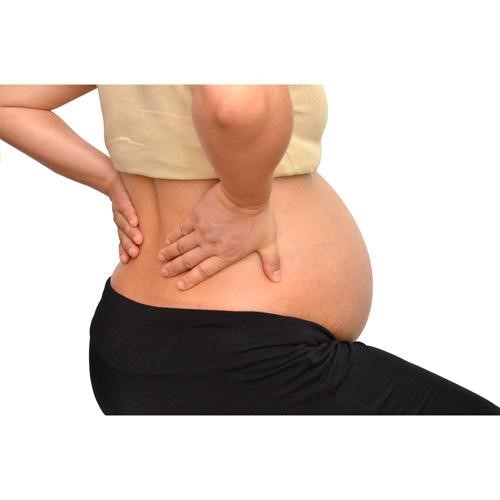
Image on this page provided by ChiroUp.
Coordinated Care, Under One Roof
Chiropractic care, physical therapy, acupuncture, massage, shockwave therapy, and functional medicine are coordinated under one roof, so a patient who needs more than one discipline is not left to manage care between separate offices. Each provider works from the same diagnosis, in the right sequence, toward the same goal: getting you better.