


Pelvic Pain
Pelvic pain and pelvic floor dysfunction are genuinely common — and genuinely undertreated. Your pelvic floor is a muscular “hammock” that supports the bladder, bowel, and, in women, the uterus, while also controlling the release of urine, gas, and stool. When these muscles become too weak or too tight, the result can be pain, urinary or fecal urgency, incontinence, sexual dysfunction, or organ prolapse.
Pregnancy and delivery are the most common contributing factors, which is why women make up the large majority of presentations — but pelvic floor dysfunction affects men too, and it’s frequently overlooked in both.
We’ve written several in-depth pieces covering different aspects of this, depending on what you’re actually dealing with:
- Pelvic Pain: What It Is, Why It Lingers, and What Physical Therapy Can Do — the full clinical picture, written by Kelly Brown Gross, PT, MPT, WCS, including what pelvic pain actually feels like and why it’s so often missed.
- 5 Effective Treatments for Pelvic Floor Health — a broader overview of the specific conditions under this umbrella and how each is treated.
- Postpartum Pelvic Floor Recovery: What Nobody Tells You — if your symptoms started or worsened after delivery.
- Overactive Bladder and Urinary Urgency — what physical therapy can do that medication often can’t.
- Bladder Leakage — for urinary incontinence specifically.
Treatment for pelvic floor dysfunction isn’t one-size-fits-all — it hinges on correctly identifying whether the muscles involved are weak, overly tight, or some combination of both, which is exactly why a proper evaluation matters more than generic exercises. Kelly holds the Women’s Health Certified Specialist (WCS) designation — one of fewer than 700 in the United States, and one of only about five in Iowa — and sees one patient at a time, every visit.
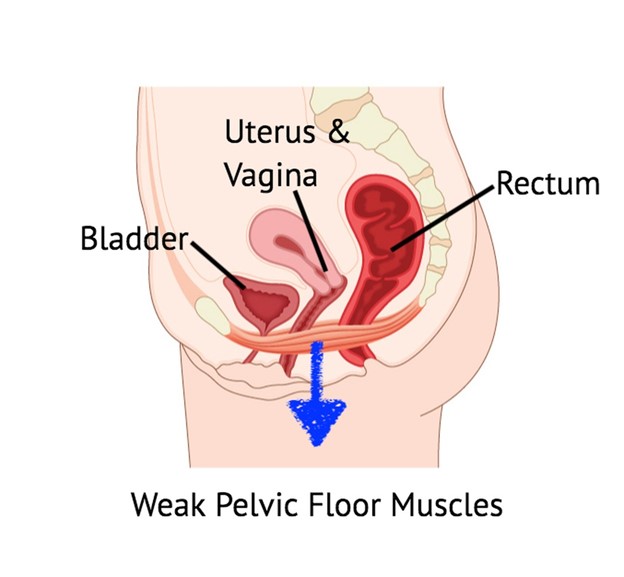
Image on this page provided by ChiroUp.
Coordinated Care, Under One Roof
Chiropractic, physical therapy, acupuncture, and massage therapy are coordinated under one roof with the rest of your treatment plan rather than operating in isolation. Schedule your appointment to get started.