


Nasal Release Technique in West Des Moines, IA
Breathe Easier & Relieve Sinus Pressure with Nasal Release Technique
Do you struggle with persistent sinus pressure, frequent headaches, or lingering symptoms after a concussion?
These conditions can take a serious toll on your daily life, affecting your breathing, focus, and overall well-being.
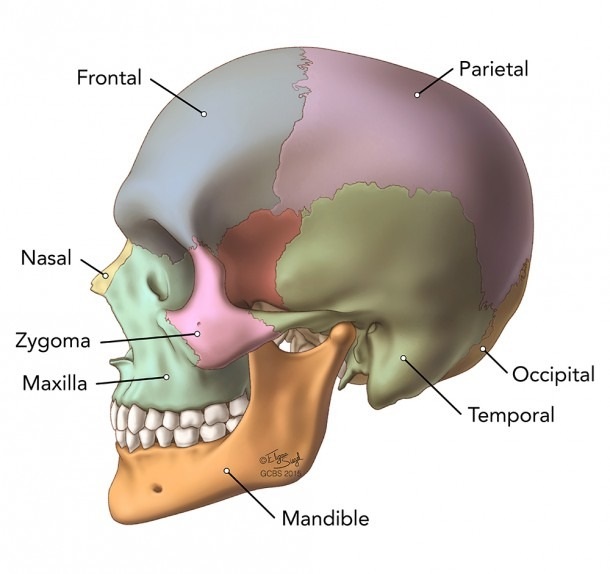
The skull isn’t one solid bone — it’s 22 bones connected by sutures that allow subtle but measurable movement. The sphenoid sits at the center of that system. When its mobility becomes restricted, the downstream effects can include headaches, sinus congestion, sleep disruption, and tinnitus.
Nasal release technique restores that motion by accessing the sphenoid directly through the nasal passages. Research on the sphenobasilar synchondrosis and the primary respiratory mechanism supports the anatomical basis for this approach.
At Ashworth Chiropractic & Acupuncture Clinic in West Des Moines, IA, we offer a proven, non-invasive solution: the Nasal Release Technique (NRT).
This specialized treatment is designed to help you:
Developed by Dr. J.R. Stober of Portland, the Nasal Release Technique works by gently adjusting the bones in your skull through the nasal passages. Here’s how it works:
- 1
A small, soft balloon is carefully inserted into the nasal passage.
- 2
The balloon is gently inflated for a brief moment, applying just the right amount of pressure.
- 3
This pressure helps realign the sphenoid bone and other key skull structures.
The result? Immediate relief from built-up sinus pressure, improved airflow, and a restored cranial balance that supports better overall health.
If you’re dealing with chronic sinus issues, breathing difficulties, or lingering post-concussion symptoms, the Nasal Release Technique might be the answer you’re looking for.
Why it works — and why most providers don’t offer it
The sphenoid is the only bone in the skull that articulates with every other cranial bone. When its mobility is restricted — from trauma, chronic sinus inflammation, or birth stress — the effects aren’t local. They distribute across the whole cranial system. Headaches that don’t respond to standard treatment, tinnitus that imaging can’t explain, sinus congestion that persists despite medication — these are often downstream effects of a restricted sphenoid.
NRT is one of the few techniques that addresses this directly. It’s also technically demanding, which is part of why relatively few providers offer it.
A Proven Technique Known by Many Names
The Nasal Release Technique (NRT) is widely recognized under different names, reflecting its effectiveness and long-standing use in helping patients find relief.
You may have heard it referred to as:
No matter what it’s called, the goal of NRT remains the same: to restore natural nasal function and provide lasting relief.
This technique is designed to help patients in West Des Moines, IA, and the surrounding areas breathe easier, heal faster, and feel better overall.
Why Timely Treatment with the Nasal Release Technique Matters
The skull’s bones are most responsive to treatment when patterns of restriction are recent. That’s especially true after a concussion or head trauma — the longer compensatory patterns go unaddressed, the more the body adapts around them, and the more sessions it typically takes to unwind them.
This doesn’t mean chronic cases can’t be helped — they can, and we see plenty of them. It just means that if you’ve had a concussion recently and symptoms are lingering, sooner is better than waiting to see if things resolve on their own.
For athletes and others in high-contact situations, that window matters. Early treatment tends to mean faster recovery and fewer sessions overall.
How the Nasal Release Technique Helps
Concussions and birth traumas can disrupt the natural alignment of the skull’s bones. This misalignment often results in:
The Nasal Release Technique is specifically designed to realign the skull bones, helping restore balance to your body and promote optimal neurotransmitter activity across your Central Nervous System.
This early intervention technique helps optimize recovery, reduce tension, and provide relief from symptoms caused by head trauma.
Preventing Long-Term Issues
The longer misalignments caused by head trauma go untreated, the more likely they are to contribute to chronic pain and ongoing health problems.
NRT helps mitigate these risks by promoting long-term cranial balance and improving overall health, giving you a head start in preventing persistent symptoms that could last a lifetime.
Indications and Symptoms Treated by the Nasal Release Technique
The Nasal Release Technique (NRT) has shown significant promise in addressing a wide variety of conditions.
Whether you’re dealing with head trauma, chronic pain, or breathing disorders, NRT may help alleviate symptoms and improve your overall well-being.
NRT can benefit individuals suffering from:
- 1
Concussions and other head injuries
- 2
Headaches, migraines, and head pressure
- 3
Fatigue, fibromyalgia, and chronic pain
- 4
Muscle spasms, neck, and shoulder pain
- 5
Poor concentration and focus
- 6
PTSD (Post-Traumatic Stress Disorder)
- 7
Sinusitis, sleep apnea, snoring, and other breathing disorders
- 8
Tinnitus (ringing in the ears)
- 9
Traumatic Brain Injury (TBI)
- 10
TMJ (temporomandibular joint pain, affecting the mouth, head, and jaw)
- 11
Vertigo and balance problems
- 12
Whiplash Syndrome
No matter the condition, NRT works to restore balance, reduce pain, and enhance overall body function, promoting healing in a gentle, non-invasive manner.
Contraindications and Possible Side Effects of the Nasal Release Technique
As with any medical procedure, the Nasal Release Technique (NRT) has certain contraindications and potential side effects that you should be aware of.
Before undergoing treatment, it’s important to discuss your full medical history with our practitioners to ensure the technique is right for you.
Contraindications:
Our practitioners will conduct a thorough medical history check to identify any contraindications and ensure your safety.
Possible Side Effects:
The side effects are usually mild and short-lived. Rest assured, our therapists prioritize your comfort and well-being throughout the treatment process.
For more information or to schedule a consultation with Dr. Matthew Wilson, DC, FIACA, at Ashworth Chiropractic & Acupuncture in West Des Moines, IA, please contact us today. Our goal is to support you in achieving your best health and well-being.
Coordinated Care, Under One Roof
Chiropractic, physical therapy, acupuncture, and massage therapy are coordinated under one roof with the rest of your treatment plan rather than operating in isolation. Schedule your appointment to get started.

Meet Dr. Matthew Wilson, DC, FIACA
Dr. Matthew Wilson is a skilled chiropractor in West Des Moines, IA, specializing in chiropractic care, functional medicine, and acupuncture. He is committed to helping patients achieve better health through non-invasive treatments like the Nasal Release Technique (NRT).
Credentials & Expertise
- Doctor of Chiropractic (D.C.) from the Palmer College of Chiropractic
- Certified Chiropractic Wellness Practitioner (CCWP)
- Graston M1 Certified and Internationally Certified in Acupuncture (FIACA)
- Extensive training in functional movement techniques and cranial release techniques
Dr. Wilson’s broad expertise, particularly in chiropractic adjustments and cranial techniques, makes him highly qualified to administer the Nasal Release Technique. His approach focuses on realigning the skull to optimize breathing and cranial function, helping patients find relief from sinus issues, headaches, and post-concussion symptoms.
For personalized care with Dr. Wilson, contact us today to schedule your consultation at Ashworth Chiropractic & Acupuncture.
Dr. Wilson’s Office Hours
Monday
8:30 am – 12 pm
2pm – 6 pm
Tuesday
2pm – 6pm
Wednesday
8:30 am – 12 pm
2 pm – 6 pm
Thursday
8:30 am – 12 pm
2pm – 6 pm
Friday
8:30 am – 1 pm
Health Care Coverage
Most Insurance Carriers including BCBS PPO and Medicaid