
Combining Shockwave, Laser Therapy, and Flexion-Distraction for Herniated Disc
Herniated disc symptoms — low back pain that radiates into the leg, numbness, or weakness along the path of an irritated nerve — respond well to conservative care for the large majority of patients. At Ashworth, treatment for herniated disc typically combines several approaches together, each addressing a different part of the problem, rather than relying on a single intervention alone.
Flexion-Distraction and PRI-Based Assessment
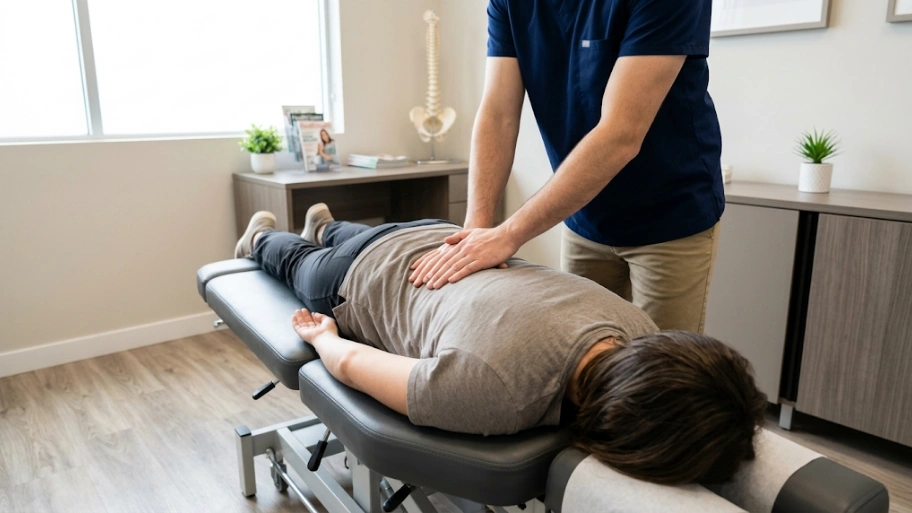
Flexion-distraction is a specific chiropractic technique that gently stretches and mobilizes the lumbar spine, reducing intradiscal pressure and creating space around the affected nerve root. This forms the mechanical foundation of treatment for most disc herniation cases.
Alongside this, a Postural Restoration Institute (PRI)-based movement assessment looks at how a patient’s overall postural and breathing pattern may be loading the spine asymmetrically. Disc herniations frequently aren’t purely a “wear and tear” event — the way someone moves and holds their body day to day often explains why one disc level took on more stress than it should have, and addressing that pattern is part of preventing recurrence, not just resolving the current episode.
Adding Focused Shockwave Therapy
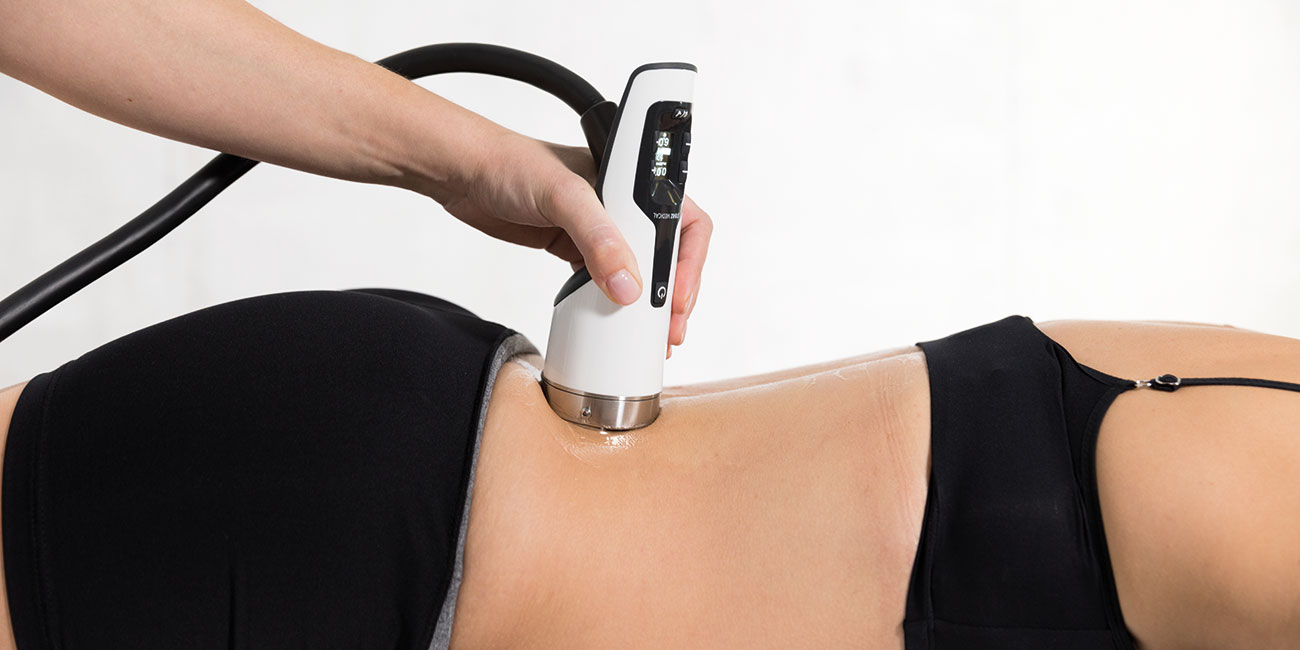
Focused shockwave therapy (ESWT) is increasingly being layered into disc herniation treatment plans for patients whose symptoms haven’t fully resolved with manual and movement-based care alone. The evidence here is genuinely still developing, and it’s worth being direct about that. A 2023 systematic review and meta-analysis published in the journal Medicine references a 2023 Chinese expert consensus stating that shockwave is effective for lumbar disc herniation, but that high-quality supporting evidence is still lacking.
What’s particularly compelling is a more mechanistic finding. A 2021 study published in The Spine Journal found that low-energy shockwave therapy, combined with low-tension traction, better reshaped the microenvironment of degenerated intervertebral discs and supported regeneration and repair — a combination that closely parallels pairing flexion-distraction (a form of low-tension traction) with focused shockwave. That’s a real, biologically plausible mechanism for why combining these two specific interventions may accomplish more than either used alone.
Laser Therapy: In-Office and Home Units
Laser therapy (photobiomodulation) has a growing body of research specific to disc-related pain. A 2022 double-blind randomized controlled trial (Ahmed et al., Journal of Healthcare Engineering) found low-level laser therapy improved pain, functional disability, and lumbar range of motion in patients with discogenic lumbar radiculopathy specifically. A 2023 systematic review and meta-analysis on low-level laser treatment for lumbar disc herniation found the overall quality of evidence ranged from low to very low, with no significant difference compared to usual care — a genuinely mixed picture worth knowing rather than an unqualified endorsement.
On home units specifically, the picture has gotten clearer. Two recent sham-controlled trials on home-based light therapy for chronic low back pain reached very different conclusions, and the difference appears to come down to device power rather than home use itself. A smaller 2026 trial (30 patients) using a low-power, multi-diode home device found no significant benefit over sham treatment. A much larger, better-powered 2026 trial (176 patients, published in Lasers in Medical Science) using a higher-power 630+850nm LED device found a decisive, statistically significant result: an 80.9% effective rate in the real-device group versus 27.6% in the sham group, with meaningful improvement in both pain and function scores. Ashworth’s own home Kineon units use that same 630/850nm wavelength combination, which is the device specification the positive trial actually tested — a real, evidence-based reason for confidence in these specific units, rather than home laser therapy as a blanket category. The honest takeaway: device specifications matter more than whether treatment happens at home or in-office, and not every home unit on the market is built to the same standard.
The Combined Approach
Bringing these together: flexion-distraction and PRI-based correction address the mechanical loading and postural drivers behind the herniation; focused shockwave targets the degenerated disc tissue directly, with real (if still-developing) evidence for genuine tissue-level change; and laser therapy — delivered both in-office and through properly-specified home units — supports the broader inflammatory and healing environment, backed by a genuinely strong recent trial for the specific device profile used here. No single piece of this combination is presented as a guaranteed fix, and the honest state of the evidence for each is represented as such — but together, they form a genuinely comprehensive, evidence-informed approach to a condition that too often gets treated with just one tool.
To find out whether this combined approach is right for your herniated disc, call (515) 225-4002 or schedule an appointment online.