


Arthritis Pain: What’s Happening in an Aging Spine
The spine is made up of 24 individual vertebrae stacked on a bone called the sacrum, cushioned between each level by a flexible disc that allows for movement. As we age, these discs can wear and become thinner — leading to additional changes, including bone spurs and narrowing of the openings where nerves exit the spine. This process is called spondylosis, more commonly known as spinal arthritis. It most often affects the vertebrae at the very base of the spine or in the middle of the neck.
Arthritis is exceptionally common — it can affect people as young as 20 and becomes extremely likely by age 70. How quickly arthritis develops appears to be at least partly inherited. Other contributing factors include a history of trauma, smoking, operating motorized vehicles, being overweight, and repetitive movements like lifting, twisting, bending, or prolonged sitting. Men are affected slightly more often than women.
Typical symptoms:
- Neck, back, or buttock pain that gradually worsens over time
- Stiffness upon waking that eases with light activity
- Pain relieved by rest and light activity, aggravated by strenuous work
- Nerve compression at narrowed openings can produce pain, numbness, or tingling radiating into the leg or arm along the affected nerve’s path
An important, often-overlooked point: the amount of arthritic wear visible on an X-ray doesn’t correlate directly with how much pain someone experiences. Two people with the same degree of arthritis can have symptoms ranging from none at all to severe. Much of the pain associated with osteoarthritis is thought to come not from the degeneration itself, but from the joint restrictions and muscle tightness that develop around it — and those are genuinely treatable, even when the underlying degeneration isn’t reversible.
What the Research Shows
Staying active is one of the most consistently evidence-supported things you can do for arthritis. A 2026 umbrella review (Viderman et al., published in Frontiers in Pain Research) synthesized findings across 116 systematic reviews on therapeutic exercise for knee osteoarthritis specifically, reinforcing exercise as one of the most reliably effective non-surgical approaches for reducing pain and improving function in osteoarthritic joints. While that review focused on the knee, the broader principle — that appropriate movement and exercise genuinely help arthritic joints rather than making things worse — holds across the joints arthritis commonly affects, including the spine.
If your arthritis is specifically in your knee, we’ve written a detailed breakdown of shockwave therapy for knee osteoarthritis, including real research on how it addresses the periarticular tissue and inflammatory environment around the joint. If your back pain is specifically coming from facet joint arthritis in your low back, our in-depth guide to the different structural causes of back pain covers lumbar facet osteoarthritis specifically, including which chiropractic techniques are appropriate — and which can actually flare arthritic facet joints if used carelessly.
How We Treat It
- Chiropractic care addresses joint restriction and mechanical dysfunction associated with arthritis — restoring motion to restricted segments reduces load concentration on the most affected joints.
- Physical therapy builds the muscular support around arthritic joints, which is the single most evidence-supported long-term management strategy for osteoarthritis.
- Massage therapy addresses the chronic paraspinal and surrounding muscle tension that commonly accompanies arthritic joints.
- Staying active — low-impact activities like walking, stationary cycling, water aerobics, and yoga support joint health. A sedentary lifestyle tends to accelerate degeneration, while appropriate activity supports it.
FAQ
Will my arthritis get worse if I stay active? Generally no — appropriate activity is one of the most evidence-supported things you can do for arthritic joints. A sedentary lifestyle tends to accelerate degeneration rather than protect against it. We’ll guide you on the right type and level of activity for your specific presentation.
Why does my X-ray show significant arthritis but I don’t have much pain? This is genuinely common. The severity of arthritis visible on imaging doesn’t correlate strongly with how much pain a person experiences. Much of the pain associated with arthritis comes from joint restriction and muscle tightness around the degenerated area — both of which are treatable, even when the underlying degeneration itself isn’t reversible.
Can chiropractic care help with arthritis, or will it make it worse? Chiropractic care, applied with the right technique for your specific presentation, can meaningfully reduce arthritis-related pain by restoring motion to restricted segments and reducing compensatory muscle tension. The technique matters — some manipulation styles are better suited to arthritic joints than others, which is why a thorough evaluation matters before starting treatment.
Is arthritis the same everywhere it occurs in the body? The underlying process — cartilage and joint degeneration over time — is similar, but the specific mechanics, symptoms, and best treatment approach vary meaningfully by joint. We have dedicated, in-depth information on knee osteoarthritis and lumbar facet joint arthritis if either of those is your specific concern.
Can arthritis be reversed? No — the degenerative changes themselves don’t reverse. But the pain and functional limitation that come with arthritis are highly manageable with the right combination of manual therapy, targeted exercise, and activity modification, and many people maintain good function for years with appropriate care.
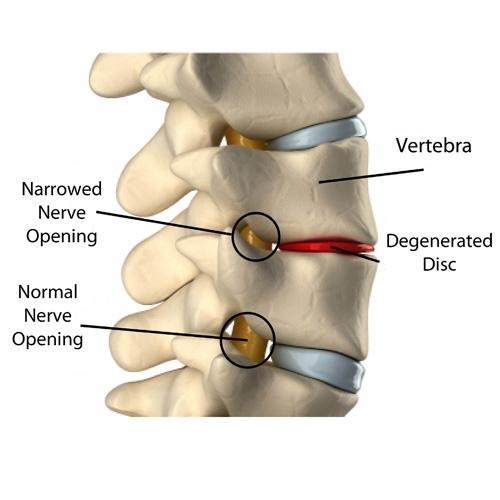
Image on this page provided by ChiroUp.
Coordinated Care, Under One Roof
Chiropractic, physical therapy, acupuncture, and massage therapy are coordinated under one roof with the rest of your treatment plan rather than operating in isolation. Schedule your appointment to get started.